Your First Trade Show: A Survival Guide, From the Labor Side
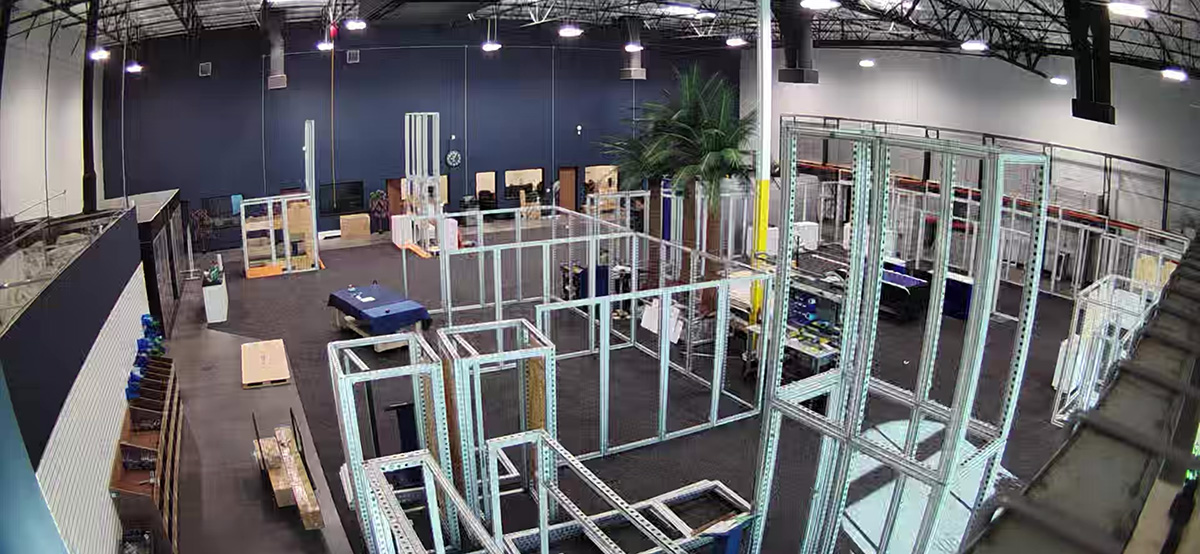

It's 6 a.m. on move-in day. Your crates are stacked at the edge of an empty show floor. Somewhere in a folder on your laptop is an exhibitor manual you skimmed once, three months ago. A guy in a safety vest just asked if you're "GSC or EAC," and you have no idea what he means.
Nobody explains this part. Every guide written for first-time exhibitors covers booth design, giveaways, and what to say when someone walks up to your table. Almost none of them cover what actually happens between "my freight arrives" and "my booth is built," or why that gap is where most first-time exhibitors lose money and their patience.
We build booths in Las Vegas and Orlando every week. We watch the same handful of mistakes happen to first-timers over and over, and almost none of them are the exhibitor's fault. They're just never told this stuff exists until it shows up on an invoice. This guide is the one we wish someone had handed us on our first show floor.
The Jargon Nobody Explains Before You Need It
Your exhibitor manual is going to throw a handful of terms at you like you already know them. You don't. Nobody does the first time. This is what they actually mean.
Drayage, also called material handling, is the cost of moving your freight from the dock or an advance warehouse to your actual booth space, and then back out again after the show. It's not priced per box. It's priced by weight, in hundredweight (CWT), meaning 100-pound units, usually rounded up.
An advance warehouse is a facility where you ship your booth and materials ahead of the show, days or weeks early, instead of sending everything straight to the venue during move-in. Shipping direct to show site is possible, but it puts you at the mercy of a much tighter delivery window.
The General Service Contractor, or GSC, is the official labor provider the show itself hires. Think Freeman or GES. They control most of what happens on the floor unless you've made other arrangements.
An EAC, or Exhibitor Appointed Contractor, is an outside labor company, like us, that you bring in instead of relying entirely on the GSC. Using one isn't automatic. It requires paperwork, and that paperwork has a deadline that sneaks up faster than you'd think.
The marshaling yard is where trucks line up and wait to be called in for unloading. It's not first come, first served. It runs on assigned windows, and misunderstanding that is one of the most common causes of a delayed move-in.
Straight time, overtime, and double time are labor rate windows tied to specific hours of the day and days of the week, not to how long a job takes. A two-hour job that spills five minutes past a straight-time window can suddenly cost a lot more.
You don't need to memorize any of this. You just need to know it exists before it's the reason your budget is off by a few thousand dollars.
Three Decisions You Make Before You Even Book Your Booth Space
Most of what makes move-in day smooth or miserable gets decided weeks or months earlier, often without anyone realizing it was a decision at all.
GSC Labor vs. EAC Labor
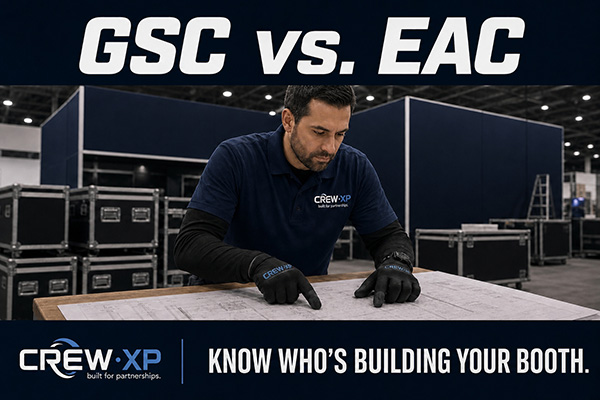
This isn't only a price question, even though price is usually what gets people's attention. Using an EAC instead of GSC labor can mean meaningful savings, but the bigger issue is control. Using an EAC means you know exactly who's touching your booth and can hold them accountable directly.
The part that trips people up is the paperwork. If you want to use an EAC, it has to go in early, usually somewhere between three and eight weeks before move-in depending on the show. And the exhibitor has to submit it, not the vendor. We've seen exhibitors assume their labor company would handle the registration, only to find out two weeks before the show that nobody filed it. Don't let that be you. And don't assume silence means approval. Follow up and get it confirmed in writing.
Advance Warehouse vs. Direct-to-Show Shipping
Shipping to an advance warehouse usually costs a little more up front. It also gets your materials out of the weather, off the move-in day chaos, and out of the marshaling yard queue entirely. Ship direct to the show, and if your truck gets stuck waiting its turn, that delay can push your install into overtime labor rates. What looked like the cheaper option on paper can end up costing more once labor gets involved.
What You Ship vs. What You Rent
We won't go deep into booth design here, that's a different conversation, but it's worth a mention. Everything you ship adds to your drayage weight. Renting components locally instead of shipping your own can trim that bill without anyone ever noticing a difference in how the booth looks.
Move-In Day: What Actually Happens
This is the sequence most first-timers never get walked through.
Your truck arrives and checks in at the marshaling yard. It waits for its assigned window, not for whenever it happens to show up. Someone signs for your freight when it's unloaded, and that someone should know exactly what they're responsible for if anything goes missing. We've seen exhibitors leave this to whoever happened to be standing closest to the dock. That's not a plan.
Once your crates hit the floor, there's a real line between what you're allowed to do yourself and what requires labor. This varies by show and by venue, so treat any general rule of thumb as a starting point, not gospel. Always confirm against that specific show's exhibitor manual. Assuming last year's rules still apply is how people end up getting stopped mid-task by a floor supervisor.
Labor itself is billed in blocks, not by the minute. A job that wraps in 45 minutes can still cost a full hour or more, and that's before you factor in the straight time and overtime windows we covered earlier. It's frustrating, and it's exactly why we wrote an entire piece on the true cost of overtime. Worth a read before your next show, not after.
What separates a good crew from an average one at this stage isn't visible to a first-timer, which is the point. Problems either get handled quietly and solved before you know they happened, or you find out about them from an unhappy client walking the floor.
The Show Floor: What's Your Job vs. What Isn't
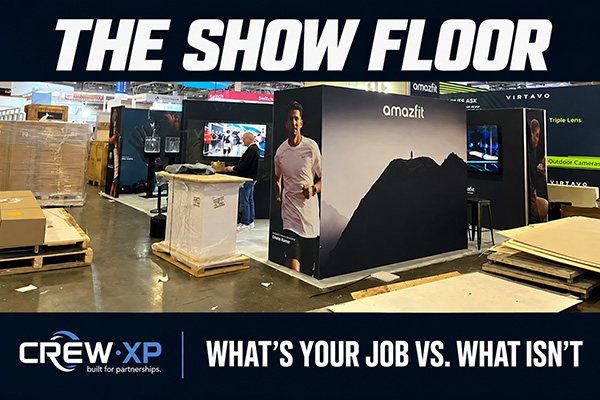
Once your booth is built, a lot of first-timers assume the labor part of their show is over. Sometimes it is. Often it isn't.
Booth cleaning, AV troubleshooting, and minor repairs during the show can be separate line items depending on what you arranged going in. "I already paid for install" doesn't automatically mean everything else is covered. Knowing the difference ahead of time saves you a stressful, expensive scramble in the middle of the show when something small breaks and you don't know who to call.
Move-Out: Where First-Time Exhibitors Lose the Most Money and Sanity
If move-in is a marathon, move-out is a sprint everyone runs at the same time. Every exhibitor on the floor is tearing down within the same compressed window, competing for the same labor, and the calm energy of move-in day is nowhere to be found.
This is where the Bill of Lading, or BOL, matters more than most first-timers expect. It's the shipping document that tells the outbound carrier what to pick up and when. Miss your BOL deadline, and your freight can get assigned to a default carrier automatically, often at a worse rate than what you'd arranged yourself.
Then there's the empty crate scramble. Your empty crates went somewhere during the show to clear floor space, and getting them back during the tight move-out window can take far longer than anyone expects. First-timers are usually the ones standing around wondering where their crates went while everyone else seems to already know the drill.
Once the show wraps, don't let the momentum die. We put together a 30-minute post-show debrief process specifically because the lessons from move-out are the easiest ones to forget by the time your next show rolls around.
A Simple Pre-Show Checklist
This isn't a design or marketing checklist. It's just the labor and logistics side, in order.
- Decide GSC labor or EAC labor, and submit EAC paperwork early if that's the route
- Choose advance warehouse or direct-to-show shipping
- Confirm your marshaling yard check-in window before move-in day
- Know exactly who's authorized to sign for freight on-site
- Build a 15 to 20 percent contingency into your budget
- Confirm what's included in install versus billed separately during the show
- Know your outbound BOL deadline before move-out day arrives
- Ask what happens to your empty crates during the show and how you get them back
None of this is meant to scare you off exhibiting. Trade shows work. They bring in business. The stress most first time event managers feel isn't about the show itself, it's about the information gap nobody warned them about.
Ready for a Partner Who Shows Up?
If you've got a Vegas or Orlando show coming up, talk to us before you finalize your plan, not after something goes wrong. That's the part we're actually good at.
CREW XP supports experiential agencies and exhibit house partners before, during, and after the show. We help keep the work moving when the clock is loud and the margin for error is tiny.
Become a partner with CREW XP and tell us what you are building next.
Got questions for our team? Give us a call or fill out the form below and our team will be in touch as soon as possible.